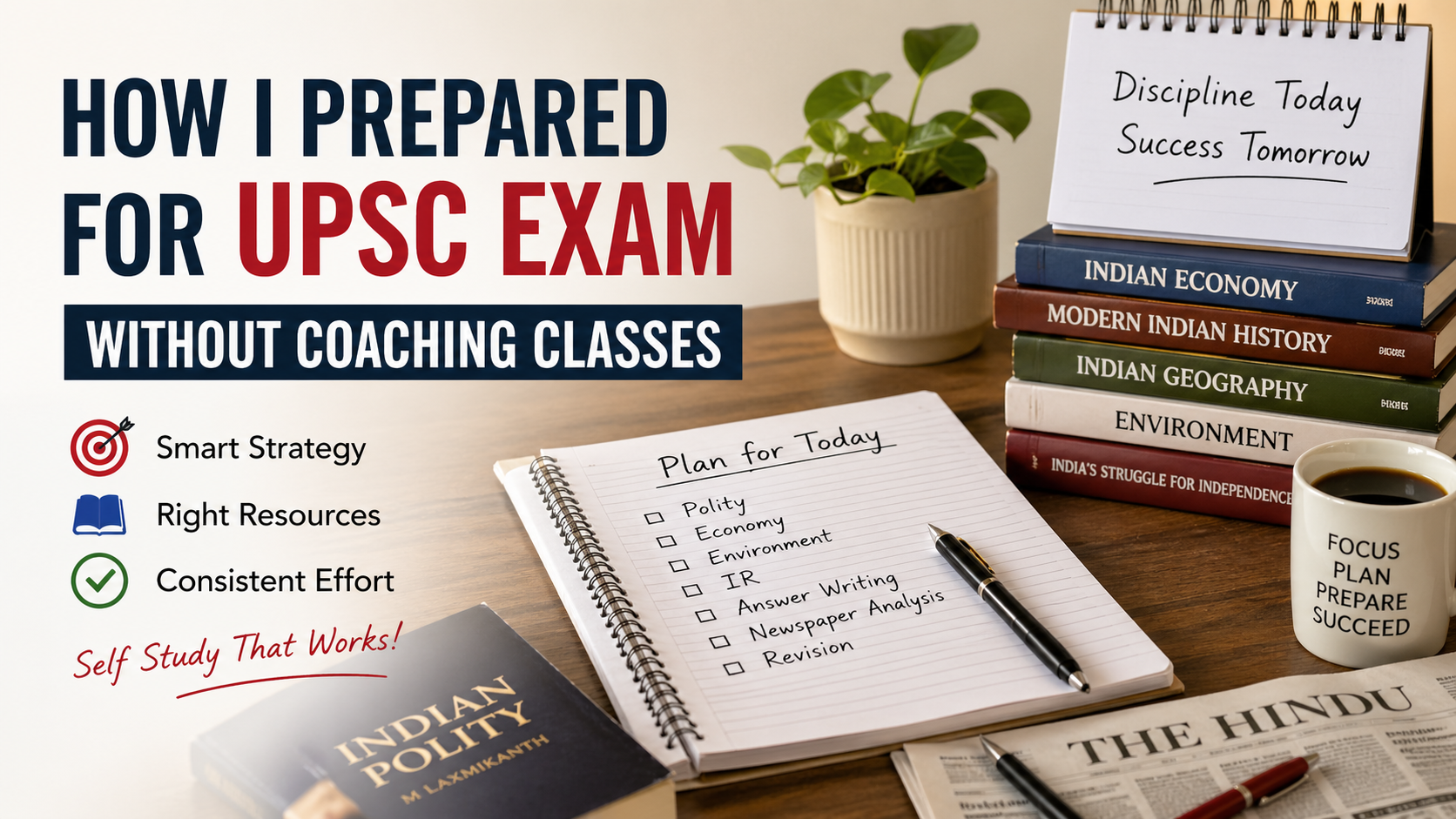
When I first decided to prepare for the UPSC exam without coaching classes, the decision felt both freeing and intimidating at the same time. I did not have a structured classroom environment, no fixed schedule designed by teachers, and no one to tell me whether I was moving in the right direction. But I also had something valuable in return: the freedom to understand the exam on my own terms and build a preparation strategy that actually suited me.
In the beginning, my biggest confusion was not about what to study, but about where to start. The syllabus looked enormous, and almost every resource online suggested a different approach. Instead of collecting too many materials immediately, I spent my first few days just reading the syllabus carefully and understanding the structure of the exam. That simple step helped me realize that UPSC is less about covering everything and more about understanding connections between topics.
One of the earliest decisions that helped me stay consistent was limiting my study resources. At first, I made the mistake of downloading too many PDFs and bookmarking multiple book lists recommended by toppers. Very soon, I noticed that switching between sources was slowing me down rather than helping me. I corrected this by selecting one standard source for each subject and staying with it. That brought clarity and reduced unnecessary stress.
Since I was preparing without coaching, I relied heavily on building my own routine. I started with small daily targets instead of trying to complete entire subjects quickly. Some days I studied polity, some days history, and on other days I focused only on reading newspapers carefully. Over time, I realized that preparation without coaching becomes manageable when the routine feels realistic rather than ambitious.
Reading the newspaper was one habit that changed my preparation completely. In the beginning, I did not understand how current affairs connected with the syllabus. But after a few weeks of consistent reading, I started recognizing patterns. Issues related to governance, economy, environment, and international relations began making more sense. I stopped trying to memorize news and instead focused on understanding why events mattered. That shift made current affairs much easier to handle.
Another important step in my preparation was learning how to make notes. Initially, I copied large portions from books thinking detailed notes would help later. Instead, it only made revision difficult. Gradually, I shifted to writing shorter, topic-based points in my own words. These notes later became one of my most useful tools during revision because they helped me recall concepts quickly without going back to entire textbooks.
Preparing without coaching also meant that I had to learn how to evaluate my own progress. I started attempting mock tests earlier than I had planned, even when I felt underprepared. My scores were not impressive at first, but the experience helped me understand the type of questions UPSC asks. More importantly, mock tests showed me which areas needed attention. Instead of feeling discouraged by mistakes, I began treating them as indicators of where I needed improvement.
There were days when studying alone felt difficult, especially when I compared my preparation with others who had access to coaching support. During those times, I reminded myself that consistency matters more than speed. Even small daily progress started adding up after a few weeks. I realized that preparing without coaching requires patience more than anything else.
One method that helped me stay focused was dividing preparation into phases instead of thinking about the entire exam at once. I first concentrated on building strong basics through standard textbooks. After that, I shifted attention to answer writing practice. Writing answers initially felt uncomfortable because I was unsure how to structure them properly. But regular practice slowly improved my confidence. I learned that clarity of thought matters more than complicated language in UPSC answers.
Optional subject preparation was another area where I had to be careful with my approach. Without coaching guidance, I spent extra time understanding the syllabus and previous year questions before selecting my study material. Once I finalized my resources, I avoided switching them repeatedly. Staying consistent with the same material made revision easier later.
Revision eventually became the most important part of my preparation. I noticed that whenever I revised regularly, topics started feeling familiar and manageable. Whenever I skipped revision, even simple concepts began feeling new again. That experience taught me that revision is not something to postpone until the end but something to include in the weekly routine from the beginning.
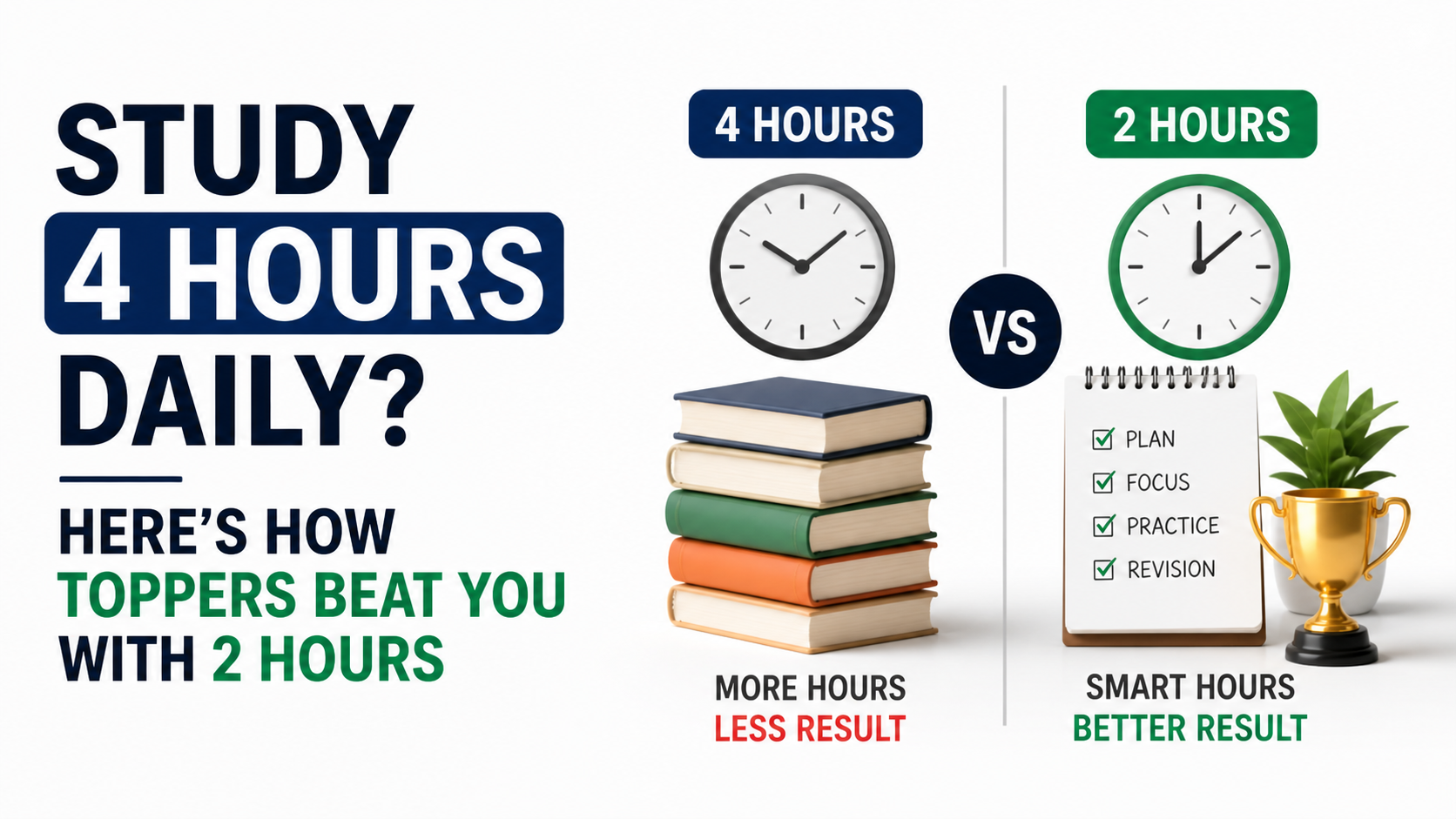
Preparing without coaching also helped me become more independent in decision-making. Instead of following multiple strategies at once, I learned to trust what worked for me. Sometimes that meant studying fewer hours but with better concentration. Sometimes it meant repeating the same topic until it became clear. Over time, I understood that preparation becomes stronger when it matches one’s own pace rather than someone else’s schedule.
Looking back, I believe preparing for UPSC without coaching taught me discipline in a way classroom preparation might not have. It forced me to understand the exam deeply instead of depending on ready-made strategies. It also helped me stay flexible and adjust my approach whenever something was not working.
Even today, I feel that the biggest advantage of preparing without coaching was learning how to manage uncertainty. Instead of waiting for the perfect plan, I moved forward step by step and improved along the way. That gradual progress built confidence over time and made the preparation journey feel more structured than it seemed in the beginning.
If someone is starting UPSC preparation without coaching, I would say the process becomes easier once you stop trying to do everything at once and start focusing on steady daily progress. With the right routine, limited resources, regular revision, and patience, self-study can become not just possible but surprisingly effective.